Nick Saban Salary and Net Worth: How the Coaching Legend Built His Fortune
Nick Saban salary and net worth has become a recurring point of curiosity for sports fans and financial watchers alike. The simple explanation is that Saban was paid at a level rarely seen in college athletics, then transitioned into advisory and media roles that continue to generate income. The fuller story, however, shows how sustained excellence, smart contract design, and long-term positioning turned coaching success into lasting wealth.
Who Is Nick Saban? A Brief Background
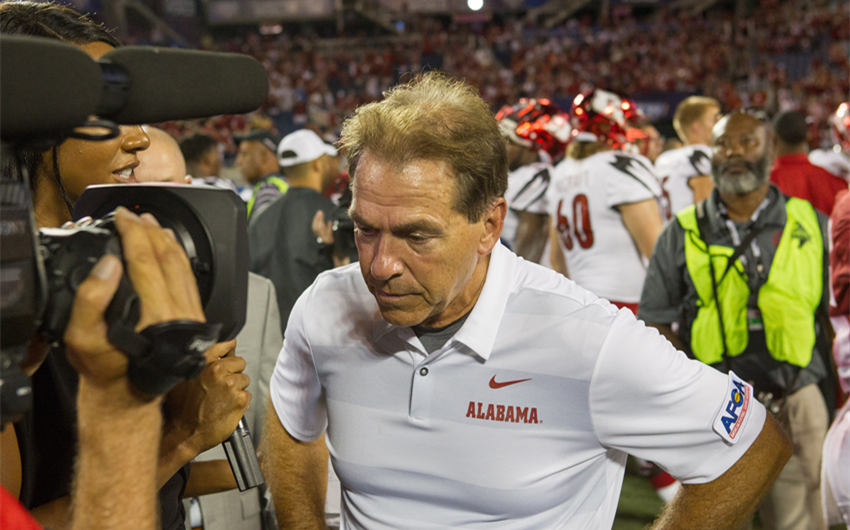
Nick Saban is widely regarded as the most successful head coach in modern college football history. After early coaching stops at places like Toledo, Michigan State, and LSU, he became the head coach at the University of Alabama in 2007. What followed was a historic run: six national championships at Alabama, consistent playoff appearances, and a standard of dominance that reshaped expectations across the sport.
By the time he retired after the 2023 season, Saban wasn’t just a coach—he was the identity of Alabama football. His influence extended beyond wins and losses into recruiting, fundraising, branding, and national media attention. That level of impact explains why universities were willing to pay him at rates comparable to top corporate executives.
Nick Saban’s Salary Over the Years
Saban’s salary trajectory mirrors his rise in stature. Early in his career, his pay was strong but unremarkable by today’s standards. As his teams began winning championships, his compensation quickly moved into a different category.
During his final years at Alabama, Saban’s total annual compensation exceeded $11 million, placing him at or near the top of college football’s coaching salary rankings. Importantly, that figure was not just a single paycheck—it was the result of multiple pay components working together.
This distinction matters because college coaching salaries are often misunderstood. The number quoted in headlines usually combines base salary, supplemental fees, and contract bonuses. In Saban’s case, the base salary was only a small piece of the total, while performance-based and retention-focused payments made up the majority.
Nick Saban’s Alabama Contract Breakdown
One of the clearest examples of Saban’s earning power came with his 2022 contract extension at Alabama. The deal was widely reported as an eight-year agreement worth roughly $93.6 million, making it one of the richest contracts in college sports history.
The structure of the contract tells an important story. Rather than paying everything as base salary, Alabama divided Saban’s compensation into several categories:
-
A relatively modest base salary
-
A large annual “talent fee” that represented the bulk of his pay
-
Contract completion bonuses paid for staying with the program through set dates
This structure served two purposes. First, it allowed the university to justify the expense by tying it to performance and retention. Second, it ensured that Saban had a strong incentive to remain at Alabama rather than entertain outside offers.
By the time he retired, this contract design had helped turn his role into one of the most financially secure positions in American sports.
Bonuses, Incentives, and Performance Pay
Beyond his guaranteed compensation, Saban also earned significant bonuses tied to team success. These incentives were not symbolic—they were meaningful additions to his annual income.
Performance bonuses included rewards for:
-
Winning the SEC Championship
-
Making the College Football Playoff
-
Winning a national championship
-
Meeting academic performance benchmarks
In elite programs, bonuses serve as both motivation and justification. When a coach delivers championships, the additional payouts are seen as earned rather than excessive. Over the course of Saban’s Alabama tenure, these incentives added millions to his total career earnings.
Endorsements and Media Opportunities
Unlike professional athletes, college football coaches are not traditionally known for massive endorsement portfolios. However, coaches at Saban’s level still benefit from brand exposure, paid appearances, and media-related income.
After retiring from coaching, Saban’s media value increased rather than declined. He joined ESPN’s College GameDay as an on-air analyst, immediately becoming one of the most authoritative voices on the show. That role provides a steady income stream while keeping his personal brand visible and relevant.
Media work also opens the door to speaking engagements, consulting roles, and future broadcasting opportunities. For someone with Saban’s reputation and résumé, these opportunities can remain lucrative for decades.
Business Ventures and Investments
Estimating Nick Saban’s net worth becomes complicated when investments enter the picture. Unlike public figures who disclose financial statements, coaches’ private investments are largely invisible.
What is known is that long-term wealth at this level is rarely held in cash alone. High-income individuals typically diversify into real estate, private investments, and long-term financial instruments. While the specifics of Saban’s portfolio are not public, it’s reasonable to assume that his decades of high earnings were managed with professional financial guidance.
This is why net worth estimates vary so widely. Some calculations rely only on known salary figures, while others attempt to estimate the value of assets that are not publicly documented.
Nick Saban’s Net Worth in 2026
Depending on the source, Nick Saban’s net worth is estimated anywhere from around $80 million to as high as $200 million. The wide range exists because there is no single authoritative method for calculating private wealth.
Lower-end estimates tend to focus on documented salary earnings minus assumed expenses and taxes. Higher-end estimates attempt to account for investments, asset appreciation, and long-term financial growth.
A realistic interpretation is that Saban’s true net worth likely sits somewhere between those extremes. Regardless of the exact number, the broader conclusion remains the same: he is among the wealthiest coaches in the history of college sports.
How Nick Saban’s Net Worth Compares to Other Coaches
Even when compared to other top college football coaches, Saban stands apart. Many coaches earn high salaries for short periods, but few maintain dominance long enough to accumulate wealth at this scale.
Saban combined three rare advantages:
-
Consistently elite performance
-
Long-term stability at one program
-
Contracts that evolved with the market
As coaching salaries across college football exploded, Alabama ensured that Saban’s compensation kept pace. That allowed him to maximize earnings during the most lucrative era the sport has ever seen.
Philanthropy and Charitable Giving
Any discussion of wealth would be incomplete without mentioning philanthropy. Nick and Terry Saban founded Nick’s Kids Foundation in 1998, and the organization has supported children, families, and community programs across multiple states.
Over the years, the foundation has donated millions of dollars to charities, schools, and local initiatives. This philanthropic work reflects a deliberate choice to use financial success for long-term community impact rather than personal accumulation alone.
Charitable giving does not reduce the significance of Saban’s wealth—it contextualizes it.
What Happens to Nick Saban’s Income After Retirement?
Retirement from coaching did not mean retirement from earning. Following his departure from Alabama, Saban accepted an advisory role with the university that reportedly pays around $500,000 annually. Combined with his ESPN analyst position, this ensures continued income without the demands of a full-time coaching schedule.
In addition, Saban now has greater flexibility to pursue speaking engagements, consulting opportunities, and selective media appearances. These activities typically pay well and require far less time than coaching at the highest level.
From a financial perspective, this stage of his career is about preservation and steady growth rather than aggressive earning.