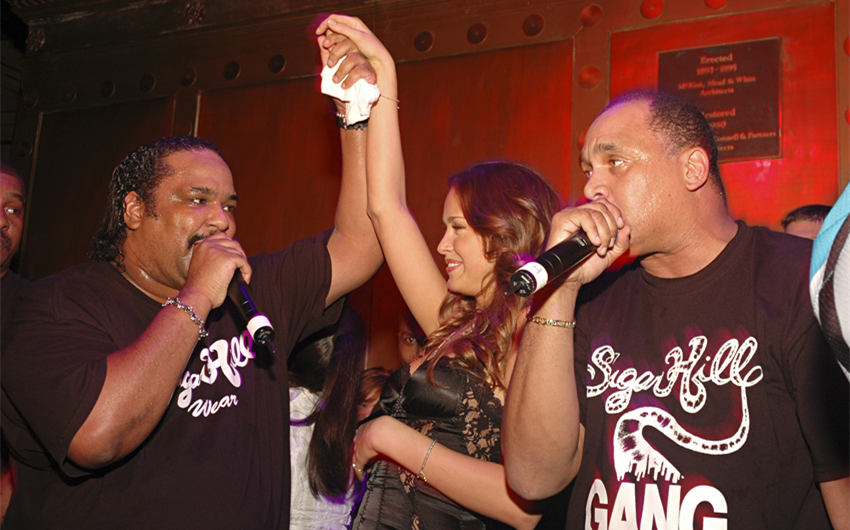
Sugarhill Gang Net Worth: Wealth, Earnings, and Legacy of Hip-Hop Pioneers
When people search Sugarhill Gang net worth, they’re often trying to understand how the artists behind one of hip-hop’s most famous songs benefited financially from their groundbreaking success. The answer isn’t as simple as a single dollar figure. The Sugarhill Gang emerged at a time when rap was new, contracts were poorly structured, and the music industry was not built to protect hip-hop artists. Their financial story is tied not only to chart success, but also to royalties, touring, legal disputes, and the long afterlife of a song that helped introduce rap to the world.
Who Are the Sugarhill Gang?
The Sugarhill Gang formed in 1979 in Englewood, New Jersey, and consisted of three original members: Wonder Mike, Master Gee, and Big Bank Hank. They were assembled under Sugar Hill Records, one of the earliest labels dedicated to hip-hop music.
At the time, rap was largely a live, party-driven culture centered around DJs and MCs. Recorded rap music was still an experiment. The Sugarhill Gang changed that when they released “Rapper’s Delight,” a song that didn’t just perform well—it rewrote the rules for what hip-hop could be.
“Rapper’s Delight” and Early Commercial Success
“Rapper’s Delight” became the first rap song to achieve mainstream commercial success. It entered the Billboard Hot 100 and climbed into the Top 40, while also becoming a major hit internationally. For many listeners outside New York, it was their first exposure to rap music.
From a financial perspective, this success created multiple revenue streams: record sales, radio play, live performances, and later, licensing and reissues. However, early hip-hop contracts rarely favored artists. Many performers were paid modest upfront fees or received limited royalty participation, even when records sold extremely well.
This is a critical factor in understanding Sugarhill Gang net worth today. While the song generated significant revenue overall, not all of that money flowed directly to the group members.
Sugarhill Gang Net Worth Overview
There is no officially verified figure for the Sugarhill Gang’s net worth. Online estimates vary widely, sometimes placing the group’s collective wealth anywhere from the low millions to well over ten million dollars. These numbers should be treated cautiously.
The reality is that net worth estimates for legacy music acts are influenced by several variables:
-
Who owns the publishing rights
-
Who controls the master recordings
-
How royalties were structured historically
-
Ongoing income from touring and licensing
-
Estate arrangements for deceased members
Because of these factors, Sugarhill Gang net worth is best understood as a range of estimates, not a confirmed sum.
Royalties, Rights, and Contract Complications
One of the most important financial aspects of the Sugarhill Gang story involves royalties and songwriting rights. “Rapper’s Delight” famously uses the bassline from Chic’s “Good Times.” While the interpolation helped make the song instantly appealing, it also led to legal and financial consequences.
Eventually, Chic’s Nile Rodgers and Bernard Edwards received songwriting credit. This significantly affected publishing income, which is often the most valuable long-term revenue source in music. Publishing royalties can last decades, but only for those who hold the rights.
Additionally, early Sugar Hill Records contracts have been widely criticized for being unfavorable to artists. Like many early hip-hop performers, the Sugarhill Gang faced issues related to ownership, naming rights, and royalty control. These challenges limited how much they earned from their most famous work, even as its popularity continued to grow.
Touring and Live Performances
While recording royalties were complicated, touring became a more direct source of income. The Sugarhill Gang has continued to perform for decades, appearing at festivals, retro tours, and hip-hop heritage events around the world.
Live performances often provide more predictable earnings for legacy acts than streaming royalties. Audiences still recognize “Rapper’s Delight” instantly, and nostalgia plays a powerful role in ticket sales. Touring allows artists to monetize their reputation without relying entirely on recording contracts from decades earlier.
This continued touring activity has been a key contributor to the group’s long-term financial stability.
Licensing, Streaming, and Cultural Afterlife
“Rapper’s Delight” has enjoyed an unusually long cultural lifespan. The song appears in documentaries, films, commercials, and historical retrospectives about hip-hop. It has also been reissued multiple times and remains widely streamed on modern platforms.
Streaming revenue, however, is often misunderstood. While millions of streams can generate meaningful income, the payout depends on royalty splits and rights ownership. For artists with partial publishing or limited master ownership, streaming income may be lower than fans expect.
Still, the song’s inclusion in major cultural institutions—such as being preserved by the Library of Congress—helps keep it relevant. Cultural relevance doesn’t always translate immediately into cash, but it increases long-term earning potential through licensing and exposure.
Challenges, Losses, and Changing Lineups
Another factor affecting Sugarhill Gang net worth is the passage of time. Big Bank Hank passed away in 2014, which introduced estate considerations and further complexity into royalty distribution. When members die, their earnings are typically managed by estates, trusts, or heirs, which can change how income is reported or estimated.
The group’s lineup has also evolved over the years, with performances sometimes involving different combinations of members. This can make financial reporting even less transparent, as income may be divided differently depending on tours, branding rights, and contractual arrangements.
Comparing Sugarhill Gang to Other Early Hip-Hop Acts
When comparing Sugarhill Gang net worth to other early hip-hop pioneers, it’s important to remember that most early rap artists faced similar challenges. Few benefited from the kind of ownership and control that later generations achieved.
Artists who came later, when hip-hop was a proven commercial genre, were often able to negotiate better deals. The Sugarhill Gang, by contrast, helped build the industry itself. Their financial outcomes reflect both their success and the limitations of the era in which they worked.
Legacy Versus a Single Dollar Figure
Focusing too much on a single net worth number can miss the bigger picture. The Sugarhill Gang’s true value lies in their influence. “Rapper’s Delight” helped open the door for hip-hop as a global genre, paving the way for countless artists who followed.
Financially, the group earned money through recordings, touring, and long-term licensing, though not always at levels that matched their cultural importance. Historically, that imbalance is common for pioneers in any industry.