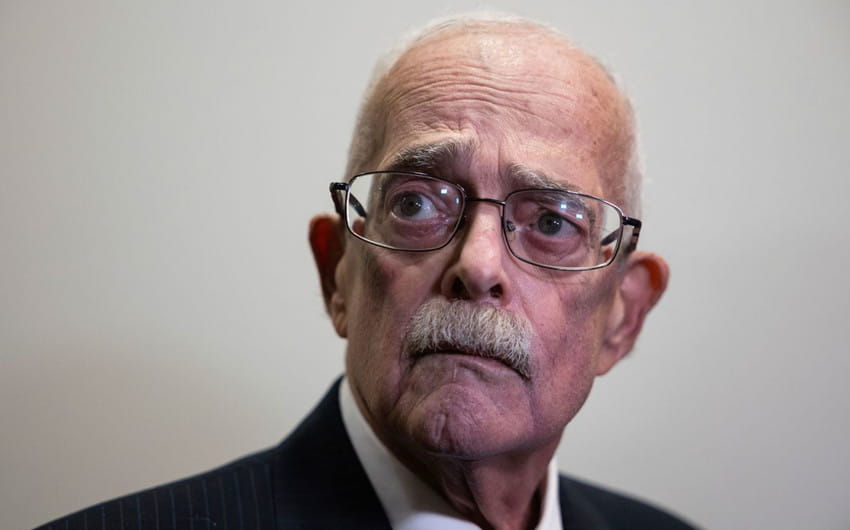
Gerry Connolly Wife Catherine “Smitty” Smith: Her Life, Family, and Quiet Impact
If you’re searching for Gerry Connolly wife, you’re looking for Catherine “Smitty” Smith, the woman who shared his life for decades while he became one of Northern Virginia’s most recognizable public servants. She kept a low profile compared to her husband’s political career, but she was not invisible. Her presence shows up in the places that matter most: family, community, and the steady support system behind a demanding public life. Here’s what’s known about Smitty, how she fit into Connolly’s story, and why so many people mention her when they talk about his legacy.
Who Is Catherine “Smitty” Smith?
Catherine Smith—known widely by the nickname “Smitty”—was the wife of Congressman Gerry Connolly. While Gerry Connolly’s name was printed on ballots and featured in headlines, Smitty’s name was more often spoken in community circles, at local events, and in tributes that recognized the personal side of a public figure.
People are often surprised to learn that she was not simply a background figure. In public service families, the spouse’s role is rarely ceremonial in real life. A political spouse becomes the person who absorbs stress that never reaches the microphones: long campaign seasons, late-night calls, tough decisions, and the emotional strain that comes with living in a constant public spotlight. Smitty carried that reality with an approach that appeared consistent over the years—steady, private, and protective of the family’s normal life.
She was also known by people close to the Connolly family as a woman with her own story. In several accounts about Gerry Connolly’s life, Smitty is described as a former nun. That detail stands out because it hints at a life shaped by service and personal conviction—values that naturally align with a household centered on public work.
Why People Search for “Gerry Connolly Wife” So Often
There are two main reasons this keyword stays popular. First, Gerry Connolly was not a minor political figure in his region. He served for years, built long relationships with constituents, and became closely connected to Northern Virginia’s civic identity. When a leader has that kind of visibility, people become curious about the person beside them.
Second, Connolly’s passing in 2025 sparked a wave of renewed interest in his personal life. When someone dies, especially someone who served the public, people want to understand the full picture. They look beyond voting records and policy wins. They want to know who was in the living room with them, who kept them grounded, and who carried the private side of a public life.
Smitty’s name appears again and again in statements of condolence and memorial moments because she was central to his life. For many readers, that raises a natural follow-up question: who is she, really?
Her Name and Nickname: “Cathy,” “Catherine,” and “Smitty”
One reason there’s confusion online is that Smitty can show up under multiple versions of her name. You may see her referred to as Catherine Smith, Cathy Smith, or “Smitty” Smith. None of that is unusual. Many people use a formal name professionally, a shortened name socially, and a nickname within family and community circles.
In Gerry Connolly’s case, “Smitty” became the name many people used most often. It’s the name that shows up in public condolences, local tributes, and community references. That familiarity tells you something: in the circles where Connolly spent his life—Fairfax County civic life, constituent events, regional organizations—people didn’t treat her like a distant figure. They spoke about her like someone they recognized and respected.
What It Means to Be a Political Spouse in Northern Virginia
Being the spouse of a member of Congress is not a simple role, and in Northern Virginia it comes with extra intensity. The region is deeply tied to federal work, government agencies, defense contracting, and national policy debates. Constituents often pay close attention, and local political culture is active year-round.
That means a political spouse is not only supporting one person; they are often supporting a whole network of relationships. They attend community events, meet volunteers, show up to local gatherings, and keep the human side of a campaign alive. Even if they rarely speak publicly, their presence still signals something important: stability.
Smitty appears to have approached that role in a way that fit her personality and the Connolly family’s style. She was present, but not performative. She was known, but not constantly visible. In today’s era of social-media politics, that kind of boundary can feel rare.
Marriage and the Long Partnership Behind the Public Career
Gerry Connolly and Catherine “Smitty” Smith were together for decades. Their relationship wasn’t framed as a flashy political love story. Instead, it reads like a long partnership built through ordinary life: shared routines, shared responsibilities, and the slow accumulation of trust.
In politics, long marriages often survive for one simple reason: the couple learns how to function like a team. Campaign seasons can be brutal. The work can be stressful. The criticism can be personal. There are endless events, constant public expectations, and very little true downtime. Couples who last in that environment usually create rules that protect the relationship—boundaries around privacy, family time, and emotional support.
Smitty’s steady public image suggests those boundaries mattered. She did not appear to treat political life as a stage. She treated it as real life.
Family Life: Their Daughter Caitlin and the Choice to Keep Things Grounded
One of the most consistent details about the Connolly family is their close connection to their daughter, Caitlin. In many public mentions of Gerry Connolly’s family, Caitlin’s name appears alongside Smitty’s as a central part of his personal world.
In modern politics, family members are often pushed into the spotlight for branding. But not all families accept that. Some keep their children out of the public narrative as much as possible. That decision can be especially common in places like Northern Virginia, where communities can be politically charged and where public exposure can create unnecessary pressure.
For the Connolly family, the public tone around Caitlin has generally stayed respectful and limited. That kind of restraint usually comes from parents who prioritize normalcy over visibility. It also reflects a spouse who values privacy and stability, especially when public life could easily spill into the home.
Life in Fairfax County: Why “Home Base” Matters
Gerry Connolly’s political identity was deeply tied to Fairfax County. Over time, he became closely associated with the area’s growth, its local issues, and its evolving role in the broader national economy. When people talk about him, they often talk about Northern Virginia as more than just a place—it’s a community he served for years.
Smitty’s identity is connected to that same home base. In political marriages, “home” isn’t just a comfort. It’s an anchor. It’s where you recharge after public events. It’s where you remember who you are without the crowd watching. It’s where children grow up with routines that aren’t shaped by headlines.
When a family stays rooted, it often signals a preference for community over celebrity. That appears to be consistent with how Smitty lived: connected to the region, present in the community, and not interested in turning political life into entertainment.
Her Community Presence: Quiet Involvement Without Constant Spotlight
Although Smitty was not a headline-seeking public figure, she has been associated with civic and community life in Fairfax. This matters because it adds depth to the picture. Many political spouses do community work privately, without press coverage. They serve on boards, support local nonprofits, attend events, and help strengthen the area’s cultural and civic fabric.
This type of involvement is often overlooked because it isn’t dramatic. It doesn’t trend online. But in a place like Fairfax County—where local organizations, arts groups, and community services play a huge role in quality of life—quiet civic participation can have real impact.
For someone known as “Smitty” in local circles, the impression is less “political spouse doing obligations” and more “community member who belongs here.” That distinction is important. One is performative. The other is genuine.
The “Former Nun” Detail and What It Suggests About Her Values
One of the most repeated details about Catherine “Smitty” Smith is that she was a former nun. People bring this up not as gossip, but because it hints at a certain worldview: discipline, service, and commitment. Even for those who aren’t religious, it’s easy to understand how a background like that could shape someone’s approach to life.
It may also explain why she remained composed under pressure. Political life can be harsh. It can be unfair. It can feel relentless. A person with a strong internal value system—whether rooted in faith, community, or personal conviction—often handles public chaos differently than someone who depends on applause for stability.
It’s also worth noting that former religious life does not mean a person is quiet or passive. Many people who have lived in structured environments develop confidence, clarity, and a strong sense of what they will and won’t tolerate. That kind of strength can be exactly what a public-service household needs.
What People Got Wrong About Smitty Over the Years
When you search for political spouses online, you often find two extremes. Some sites treat the spouse like an invisible footnote. Others inflate the spouse into a dramatic character. The truth is usually in the middle.
With Smitty, one common misunderstanding is assuming that privacy equals absence. It doesn’t. Many spouses choose not to be public-facing but still play an enormous role in the life of the person in office. They handle the emotional support. They keep the family steady. They help make difficult seasons survivable. They often provide the honest feedback that staff members can’t give.
Another misunderstanding is that the spouse must have a public career or public platform for their life to “count.” That idea comes from modern social media culture, where visibility is treated like proof of existence. In reality, many people build meaningful lives quietly. Smitty appears to be one of those people.
The Later Years: Public Support During Health Challenges
When Gerry Connolly faced serious health challenges, public attention returned to the family. Moments like that highlight the role of a spouse in a way politics usually doesn’t. Campaigns and committees fade into the background, and what remains is the human reality: illness, caregiving, and the need for personal support.
In public statements after Connolly’s passing, Smitty’s name appeared repeatedly as the person closest to him—his partner, his family, the one standing alongside their daughter during a difficult season. Even without private details, that public pattern tells you what kind of role she held: central, steady, and deeply present.
For many people, these moments reshape how they see political families. The job becomes less about power and more about sacrifice, time, and the strain placed on loved ones. Smitty’s visibility in memorial moments reflects that reality.
Why Her Story Matters Even If She Avoided the Spotlight
Some readers wonder why a politician’s spouse deserves attention at all. The answer is not that she held office or made policy. The answer is that public service is rarely a solo journey. Behind most long-serving public figures is a small circle of people who absorb the cost of that service—missed holidays, constant public scrutiny, and the emotional weight of serving a community during crises.
Smitty’s story matters because it offers a more realistic picture of what a political life looks like at home. It’s not always speeches and ceremonies. It’s often routine and resilience. It’s holding a family together while one person lives in public.
Her story also matters because it shows that influence can be quiet. A spouse does not have to be publicly loud to be deeply important. In many cases, quiet is exactly what allows a public figure to stay effective for as long as they do.
The Straight Answer: Who Was Gerry Connolly’s Wife?
Gerry Connolly’s wife was Catherine “Smitty” Smith. She was his long-time partner, widely recognized in the Fairfax community, and frequently mentioned alongside their daughter, Caitlin, in tributes honoring Connolly’s life and service. While she kept a low public profile compared to her husband’s career, her steady presence and community connection made her an important part of the personal story behind a major Northern Virginia public figure.
image source: https://edition.cnn.com/2025/04/28/politics/gerry-connolly-house-oversight-reelection-cancer-returns